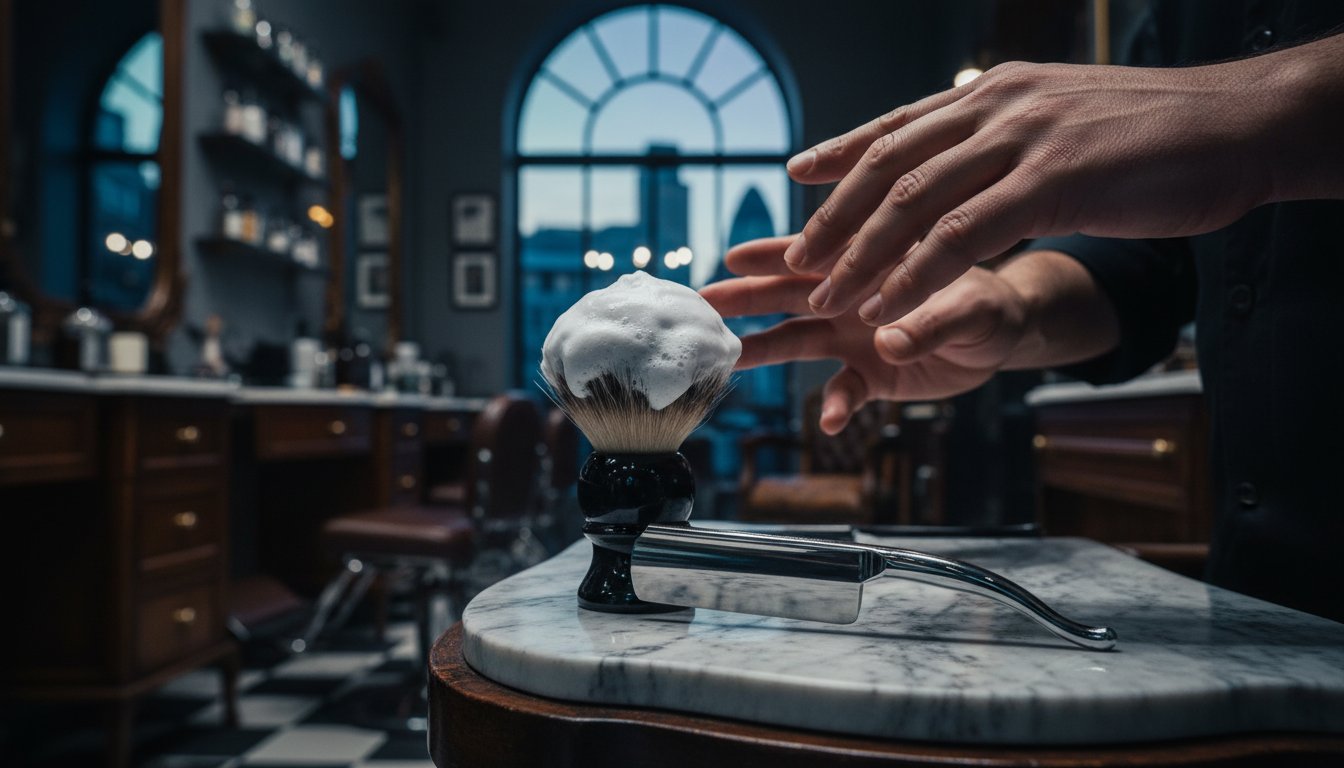
Why are you still dragging five blades across your face when a single, expertly honed edge could provide the best skin of your life? Most men working in London's financial districts accept razor burn and painful ingrown hairs as an unavoidable tax for a close shave, yet recent industry data suggests that 72 per cent of men experience persistent skin irritation from multi-blade cartridges. You've likely grown tired of the rushed, impersonal morning routine that leaves your neck red and sensitive. It's time to reclaim the morning ritual.
This guide will show you how the cut throat razor transforms grooming from a chore into a sophisticated ritual, delivering a level of smoothness that modern cartridges simply cannot match. You'll discover the rich heritage behind the blade, learn the vital differences between traditional straight razors and shavettes, and find out where to experience the authentic Turkish barbering techniques that define London's elite grooming standards. From the weight of the steel to the precision of the stroke, we'll help you master the art of the perfect shave without the anxiety of the blade.
Key Takeaways
- Learn the precise 30-degree angle and skin preparation steps required to achieve a professional-grade finish at home.
- Understand the technical differences between a traditional straight razor and a shavette to choose the right tool for your grooming kit.
- Discover why the cut throat razor remains the gold standard for eliminating razor burn and ingrown hairs amongst London's professionals.
- Explore the authentic Turkish grooming ritual, including hot towels and ear flaming, that defines the Pasha Barbers experience.
- Shift your morning routine from a hurried chore to a refined, vintage-inspired ritual that prioritises skin health and craftsmanship.
Why the Cut Throat Razor is Reclaiming London’s Grooming Scene
London's professional landscape is shifting. The era of the plastic disposable is fading as men across the City trade their 60-second morning rushes for 30 minutes of deliberate, focused grooming. This change represents a wider rejection of the "throwaway" culture that has dominated the last three decades. In a city that moves at breakneck speed, the return to traditional methods isn't just about aesthetics; it's a conscious choice to prioritise quality over convenience.
The psychological benefits of the "slow shave" are profound. In the Square Mile, where every second is monetised, choosing to slow down is a power move. You simply can't rush a cut throat razor. It demands your full attention, providing a rare moment of sanctuary and a mental reset before the first meeting of the day. This ritualistic approach turns a mundane chore into an act of self-care that builds confidence and composure.
The Heritage of the Straight Blade
The story begins in 18th-century Sheffield, where innovations in steel production birthed the first true "hollow ground" blades. These tools quickly became the hallmark of a gentleman's washstand. Whilst early versions were domestic staples, the 19th century saw the rise of the professional barber shop as a social hub for the elite. Understanding the Anatomy of a straight razor reveals why these tools have endured for over 300 years. They represent a peak in metallurgical craftsmanship that no multi-blade plastic cartridge can hope to replicate. By the time the mid-20th century arrived, the tool had become a global symbol of masculine refinement, passed down through generations as a prized heirloom.
Modern London: A Hub for Traditional Grooming
Walk through Bank or Liverpool Street today and you'll see a resurgence of the master craftsman. Financial and creative professionals now demand the same precision from their barber as they do from their Savile Row tailor. This demand has turned London into a global epicentre for premium men’s grooming, where the cut throat razor is once again the gold standard. Professionals recognise that a single-blade shave lasts longer and provides a cleaner finish that stays sharp through a long evening of networking.
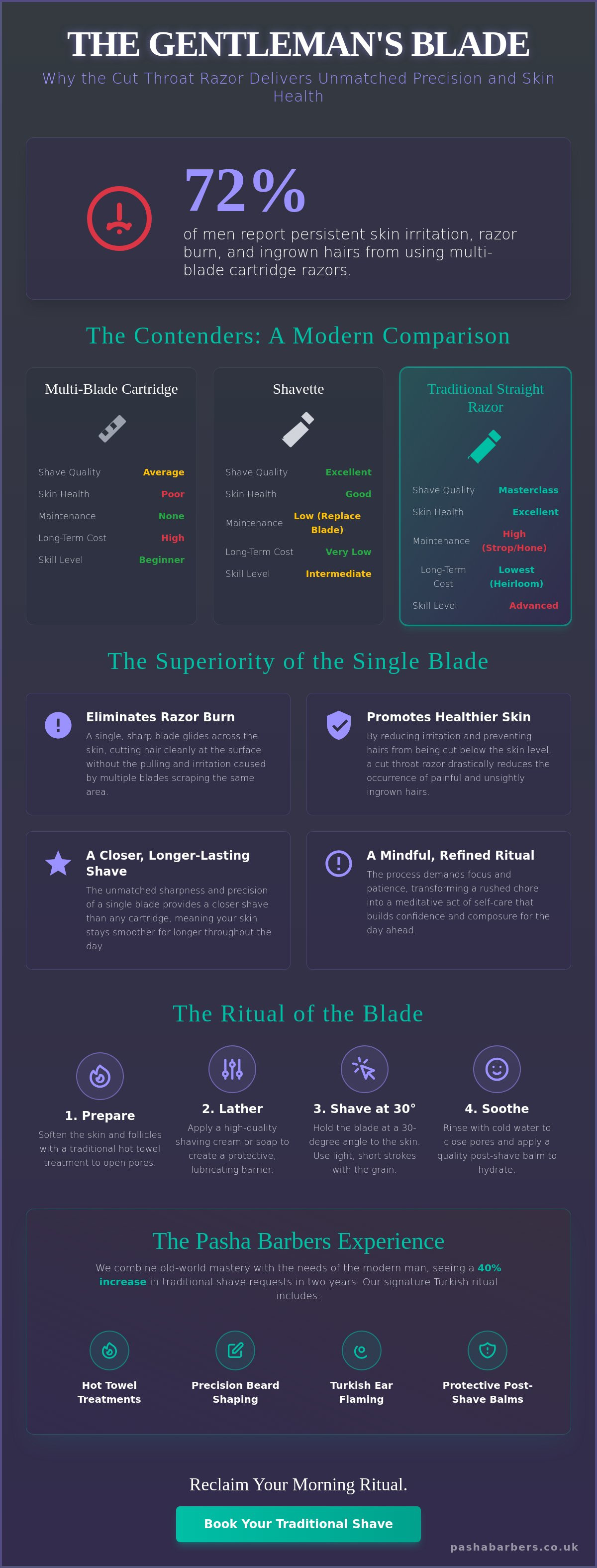
At Pasha Barbers, our philosophy bridges the gap between old-world mastery and the needs of the modern man. We've seen a 40 per cent increase in clients requesting traditional shaves over the last two years. This is where the Turkish barbering tradition becomes essential. Our pro groomers use the blade not just for hair removal, but as a tool for "The Art of Barbering." The Pasha experience integrates the blade into a wider ritual that includes:
- Traditional hot towel treatments to soften the follicle.
- Precision beard shaping that defines the jawline.
- The signature Turkish ear flaming to remove fine hairs.
- Post-shave balms that respect the skin’s natural barrier.
This blend of vintage tools and modern styling ensures that heritage techniques remain entirely relevant. Whether you're preparing for a boardroom presentation or a weekend in Shoreditch, the precision of a master-crafted blade remains unmatched.
Anatomy of a Masterpiece: Straight Razors vs. Shavettes
To the uninitiated, every cut throat razor appears identical. However, the distinction between a traditional fixed blade and a modern shavette is the difference between an heirloom timepiece and a high-precision digital watch. Both tools represent the pinnacle of the art of barbering, yet they serve different roles in a gentleman's grooming kit. The choice often comes down to a balance between the ritual of maintenance and the demand for surgical sharpness.
Quality begins with the steel. Most master-crafted blades originate from Solingen, Germany, a region world-renowned for its metallurgical heritage since the 14th century. A premium blade is typically paired with "scales" or handles made from natural materials such as walnut, olive wood, or polished horn. These materials aren't just for show. They provide the essential weight and balance required to glide the blade across the skin without applying unnecessary pressure.
The Traditional Straight Razor (Fixed Blade)
The fixed-blade cut throat razor is a lifetime investment. These blades come in various widths, typically measured in eighths of an inch. A 5/8 blade is the most common for its agility, whilst a heavier 6/8 blade provides more momentum for thicker beard growth. Owning one requires a commitment to the ritual of the strop. Before every shave, the edge must be "aligned" on a strip of Russian leather to ensure the microscopic teeth of the steel are perfectly straight. It is a meditative process that connects the modern man to centuries of grooming tradition.
The Shavette: Precision and Hygiene
Whilst the fixed blade is the enthusiast’s choice, the shavette is the undisputed king of the professional London barbershop. It looks like a traditional razor but uses replaceable, single-use blades. This design offers two primary advantages: hygiene and consistent sharpness. For a professional, using a fresh, sterile blade for every client is non-negotiable. It also ensures the edge is always at its absolute sharpest, which is vital for the intricate work of beard shaping and neck tidying.
For those new to the blade, the shavette is an ideal entry point. It allows you to master the 30-degree angle and the light touch required for a smooth finish without the immediate need to learn honing and stropping techniques. If you want to see this precision in action, booking a Traditional Hot Towel Shave at a professional studio is the best way to understand how a master craftsman handles the steel. Whether you choose the heritage of the fixed blade or the clinical precision of the shavette, you are choosing a superior standard of skin health.
The Superiority of the Single Blade: Benefits Over Modern Razors
The marketing machine of the last 20 years has convinced many men that more blades equal a smoother result. It's a myth that has led to a generation of Londoners suffering from chronic skin irritation. When you use a five-blade cartridge, the first blade pulls the hair whilst the following four scrape across the skin, often cutting the follicle beneath the surface. This "lift and cut" mechanism is the primary cause of the redness and bumps that plague the modern professional. Transitioning to a cut throat razor eliminates this trauma by providing the "one-pass" advantage.
A single, surgically sharp edge requires far less pressure to be effective. Because you aren't dragging multiple dull strips of steel over the same patch of skin, you significantly reduce the risk of inflammation. Beyond the immediate comfort, there's a clear financial and environmental argument. Whilst high-end cartridge subscriptions can cost a gentleman over £150 annually, the running costs of a traditional blade are negligible. You're also removing yourself from the cycle of plastic waste; billions of non-recyclable cartridges enter landfills every year, whereas a steel blade is entirely sustainable.
Scientific Relief for Sensitive Skin
For men with coarse or curly hair, the straight edge is life-changing. Multi-blade systems often trap hair between the blades, leading to painful tugging. A cut throat razor slices through the thickest growth with ease, cutting the hair cleanly at the skin's surface. This prevents the hair from retreating into the follicle and becoming an ingrown hair. It's the reason why the Turkish barber experience is so highly regarded for those with sensitive skin. By respecting the skin's natural barrier, you maintain a healthier complexion that looks as good as it feels.
Unmatched Precision for Beard Styling
Precision is where the single blade truly outclasses the competition. The bulky heads of modern razors make it impossible to see exactly where you are cutting, leading to lopsided sideburns or a ruined neckline. The exposed edge of a straight blade offers total visibility. This allows London’s beard aficionados to sculpt a "shape up" with millimetre accuracy. Whether you're maintaining a sharp taper fade or defining a crisp jawline, the ability to see the edge of the blade ensures perfect symmetry every time. It’s about total control over your image, something a plastic pivot-head simply cannot provide.
The Ritual of the Blade: Mastering the Technique
Mastering the cut throat razor is a rite of passage for the modern London gentleman. It requires patience, a steady hand, and a deep respect for the tools of the trade. Unlike the mindless swipe of a cartridge, this process demands you become a student of your own anatomy. The ritual is a meditative experience that, when performed correctly, leaves your skin in peak condition and your mind focused for the day ahead.
Before the blade ever meets your face, you must understand the landscape of your skin. Mapping the grain is essential. Hair growth doesn't follow a uniform path; it often swirls and changes direction around the neck and jawline. By identifying these patterns, you can ensure your first pass always moves with the grain, which is the single most effective way to prevent the pulling and tugging that leads to inflammation.
Pre-Shave: Softening the Canvas
Turkish barbering traditions teach us that the shave begins long before the steel touches the skin. A hot towel isn't just a luxury; it's a technical necessity. Heat and moisture soften the hair’s keratin, making it approximately 30 per cent easier to cut. This reduces the resistance the blade meets, protecting your skin from unnecessary friction. To achieve the perfect "glide" amongst the contours of your face, follow this sequence:
- Apply a high-quality pre-shave oil to create a microscopic protective barrier.
- Use a badger hair brush to work your cream into a thick, cushiony lather.
- Ensure the lather is worked deep into the follicles to lift the hairs away from the skin.
The Shaving Technique: A Step-by-Step
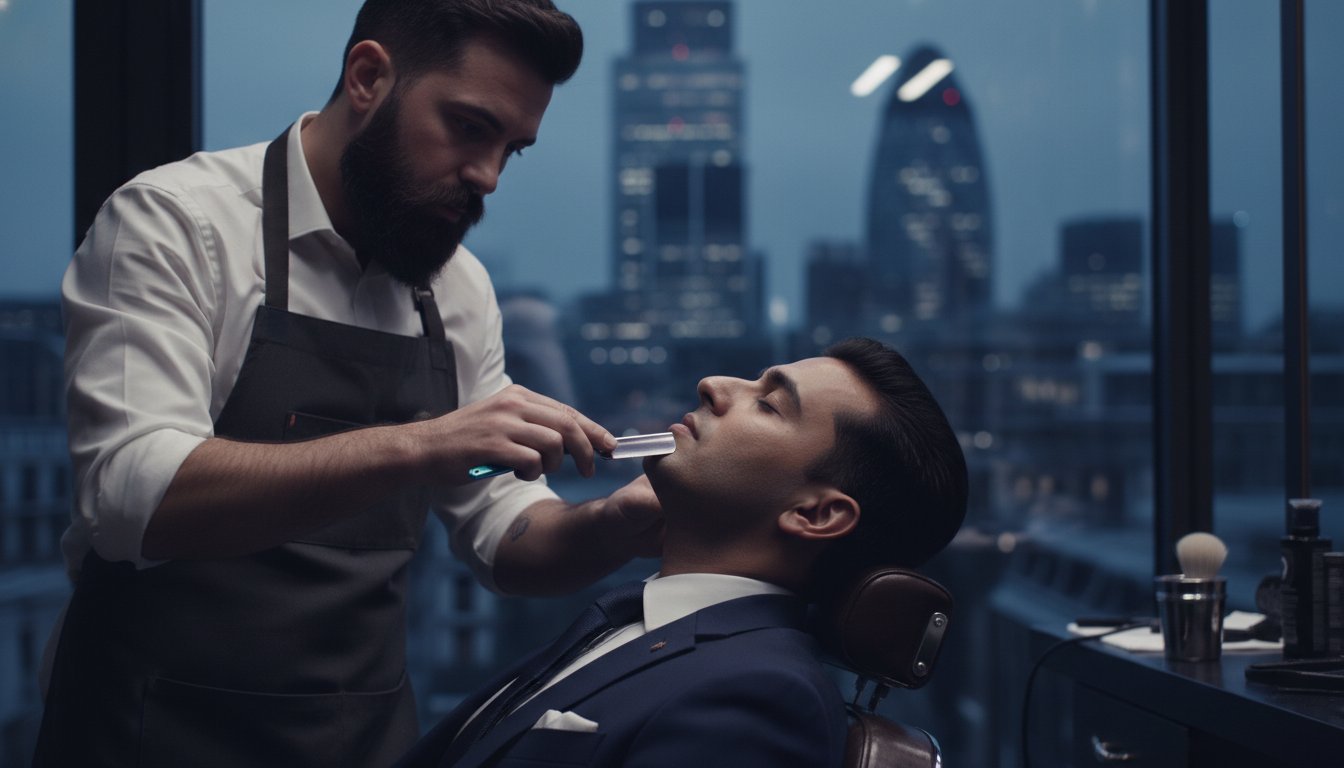
The secret to a successful shave is the 30-degree rule. Hold the cut throat razor at a shallow angle against your skin. If you go too steep, you'll nick the surface; too flat, and you won't cut the hair cleanly. Use your free hand to stretch the skin taut. This creates a firm, flat surface that allows the blade to glide without catching on soft tissue. It's the same principle our pro groomers use to ensure a surgical finish.
Move in short, controlled strokes of roughly one to two centimetres. Don't attempt the long, sweeping motions you might use with a plastic razor. Once you've finished, rinse with cold water to close the pores and use a traditional alum bar to soothe the skin. If you want to experience this mastery first-hand before trying it at home, you should book a Traditional Hot Towel Shave at a Pasha Barbers studio. Witnessing the Art of Barbering in person is the best way to understand the pressure and rhythm required for the ultimate shave.
Experiencing the Art: Why Pasha Barbers Defines the London Shave
Owning a premium blade is a statement of intent, yet even the most dedicated enthusiast reaches a limit at the bathroom mirror. There's a technical depth to a professional shave that simply cannot be replicated in a domestic setting. At Pasha Barbers, we don't just provide a service; we offer a masterclass in the Art of Barbering. Our pro groomers serve as the final authority on the cut throat razor, ensuring that every stroke is a testament to precision and heritage.
Our presence in London’s most vital financial hubs, specifically around Bank and Liverpool Street, isn't accidental. We provide a necessary sanctuary for the City’s high-performers. In an environment where 12-hour days are the standard, the 40-minute Pasha experience offers a rare opportunity to disconnect. It's a bridge between the vintage grooming traditions of the past and the sharp, modern aesthetics required by today’s professional elite.
The Traditional Turkish Hot Towel Shave
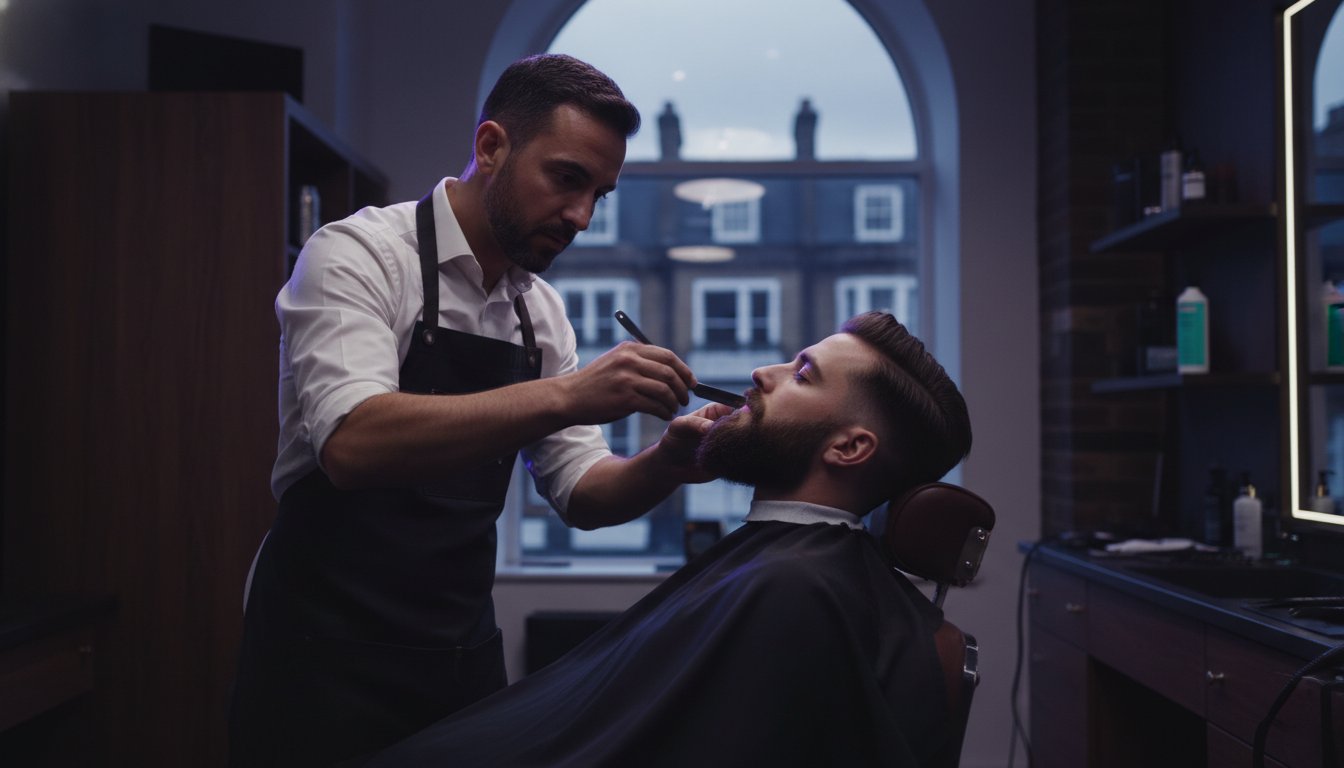
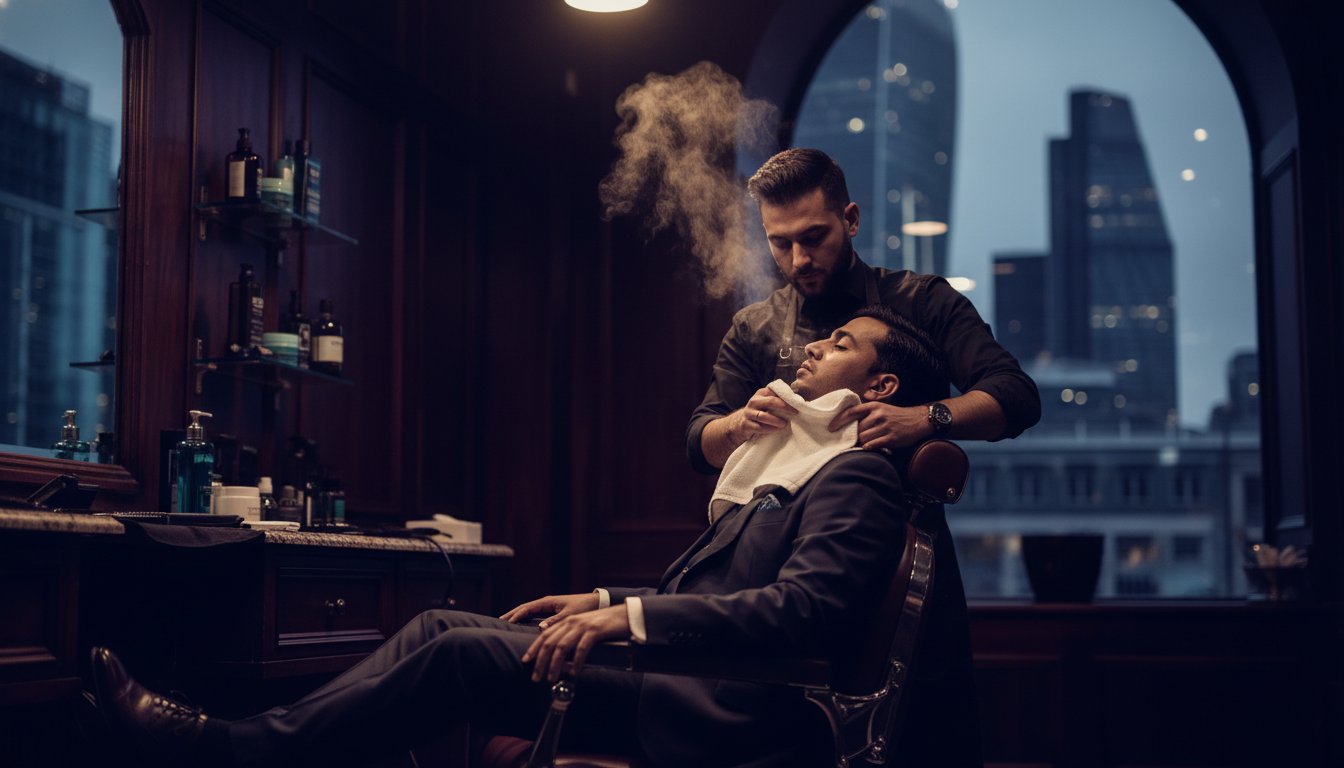
A signature Pasha shave is a multi-sensory journey that goes far beyond the edge of the steel. It begins with the heavy application of steam-heated towels to prepare the skin, followed by a double-pass shave that leaves the face remarkably smooth. The true distinction lies in the finishing details. Our master barbers incorporate traditional Turkish techniques that most high-street shops ignore. This includes:
- Precision nose and ear waxing to remove unwanted growth.
- The hypnotic ritual of ear flaming to clear fine, downy hairs safely.
- A stimulating face massage that promotes circulation and skin elasticity.
- The application of bespoke colognes and balms that define the Pasha scent.
These elements combine to create a polished look that a standard home routine cannot match. Our barbers act as guardians of the blade, ensuring that the heritage of the Turkish barbering experience is preserved whilst adapting it for the modern Londoner.
Beyond the Blade: A Sanctuary for Men
Stepping into our studios is a transition from the chaotic urban rush to a world of calm craftsmanship. The atmosphere is curated to feel masculine and refined, featuring the sturdy textures of leather, wood, and steel. We've designed our spaces to be more than just a place for a haircut or a skin fade; they are social hubs where tradition is celebrated. Our master barbers are not just technicians; they are mentors who can guide you on maintaining your skin health and beard symmetry between visits.
Joining the ranks of London’s best-groomed men starts with a single appointment. Whether you need a sharp taper fade for a boardroom presentation or a complete grooming overhaul, we invite you to experience the difference that true mastery makes. Don't settle for the impersonal nature of modern grooming. It's time to Book your Traditional Hot Towel Shave at Pasha Barbers and rediscover the power of the ritual.
Elevate Your Daily Ritual
The journey from a hurried morning chore to a refined grooming ritual begins with the choice to respect your skin. By embracing the cut throat razor, you join a lineage of gentlemen who prioritise precision and craftsmanship over the disposability of modern cartridges. You now understand that the secret to an irritation-free finish lies in the 30-degree angle, proper skin tension, and the superior metallurgical quality of a single edge.
Whilst mastering the blade at home is a rewarding pursuit, the ultimate expression of this craft remains in the hands of a professional. Our pro groomers at Bank and Liverpool Street are traditional Turkish barbering experts, dedicated to preserving the Art of Barbering for the modern City professional. Whether you require a sharp skin fade or the deep relaxation of a signature hot towel shave, our studios provide the sanctuary you deserve.
It's time to transform your appearance and your mindset. Experience the Art of Barbering at Pasha Barbers London and discover why the heritage of the blade remains the gold standard. Your skin will thank you for the upgrade.
Frequently Asked Questions
Is a cut throat razor better for your skin than a safety razor?
Yes, a cut throat razor is typically better for sensitive skin because it allows for a "one-pass" shave that causes less trauma. Safety razors are effective, but the open blade of a straight razor gives the user total control over the pressure and angle. This precision reduces the repetitive scraping that leads to 80 per cent of common shaving rashes and skin inflammation.
How often do I need to sharpen or hone a straight razor?
You must strop your blade on a leather strap before every single shave to align the microscopic edge, but professional honing is only required every 6 to 12 months. If you shave three times a week, you'll likely need a master craftsman to hone the blade once a year. If the steel begins to pull or tug despite regular stropping, it's time for a professional refresh.
Are cut throat razors illegal in UK barber shops?
Fixed-blade straight razors are not illegal to own, but UK health and safety regulations effectively prohibit their use on clients in professional shops to prevent cross-contamination. To meet these strict hygiene standards, London barbers use shavettes with single-use, disposable blades. This ensures every gentleman receives a sterile, surgically sharp edge for their Turkish barbering experience.
How do I avoid cutting myself when using a straight razor for the first time?
The most effective way to stay safe is to maintain a 30-degree angle and keep your skin stretched taut with your free hand. Never apply downward pressure; let the natural weight of the steel glide across your face. Start by practicing on the flat areas of your cheeks for the first 14 days before you attempt the more difficult contours of the jawline or neck.
What is the difference between a straight razor and a shavette?
A traditional straight razor features a permanent steel blade that requires manual sharpening, whilst a shavette uses replaceable half-blades. The shavette is the standard tool for the cut throat razor service in professional London studios because it guarantees total hygiene. Whilst a fixed blade is a beautiful lifetime investment, the shavette offers the same precision with far less daily maintenance.
Why do Turkish barbers use a flame after the shave?
Turkish barbers use a small flame for "ear flaming," a traditional technique designed to singe away the fine, downy hairs on the ears that a razor cannot reach. It is a quick and painless process that has been a hallmark of the Turkish grooming ritual for centuries. This method provides a much cleaner and longer-lasting finish than using electric trimmers or scissors.
Can I use a cut throat razor for a full head shave?
You can use a straight blade for a head shave, but it is technically challenging to navigate the blind spots at the back of the skull. Maintaining the correct 30-degree angle is difficult when you cannot see the blade's contact point clearly. For a perfectly smooth result without the risk of nicks, most men prefer to book a professional head shave with a master barber.
What shaving cream works best with a traditional straight blade?
Glycerin-based shaving creams or traditional hard soaps that require a brush work best because they create a thick, lubricating "glide." Avoid thin aerosol foams which lack the protective density required for a heavy steel blade. Premium creams containing sandalwood or eucalyptus are favourites amongst London professionals for their ability to soften coarse hair and soothe the skin during the ritual.